
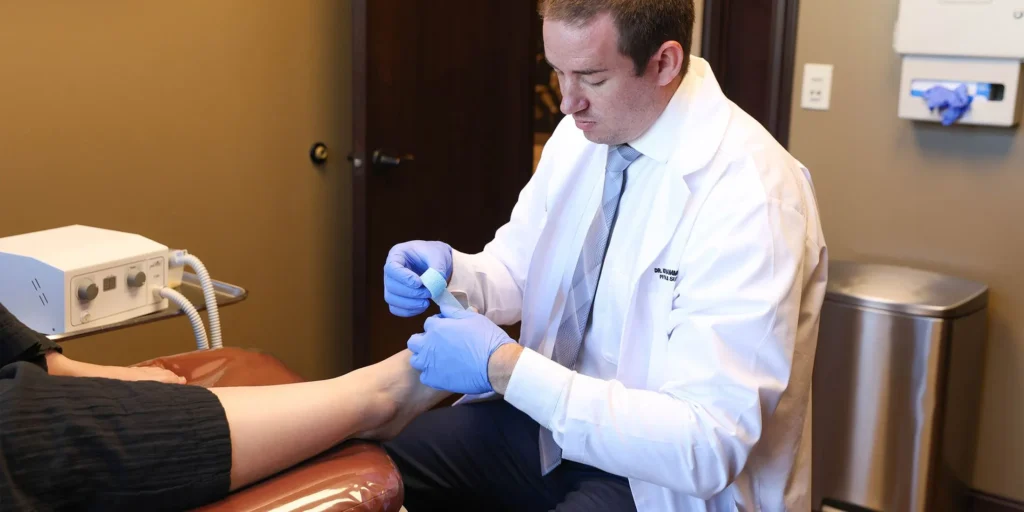
We Provide Comprehensive and Mobile Wound Care Tailored to your Individual Needs.
Our goal is to help you heal, prevent complications, and improve your overall quality of life. If you or a loved one is struggling with a wound that’s not healing, don’t wait—reach out to us today for expert care.
What is Wound Care?
Wound care is the specialized medical treatment aimed at managing and healing wounds to prevent infection, alleviate pain, and promote faster recovery. Proper wound care is essential for people with conditions such as diabetes, poor circulation, or other factors that affect healing. It involves assessing the wound, creating a tailored treatment plan, and educating patients on ongoing care to prevent complications.
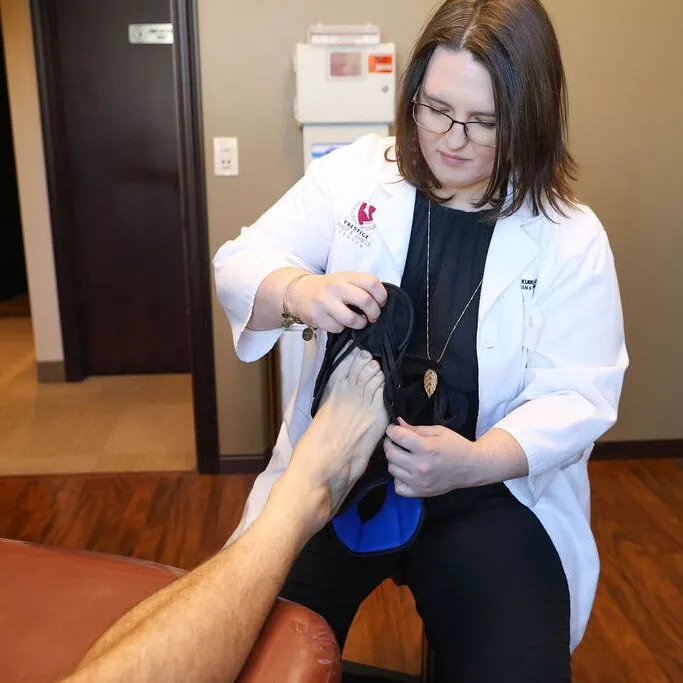
Where We Provide Wound Care Services
We understand that every patient’s situation is unique, and we are committed to delivering wound care where it’s needed most. Our services are available in the following settings:
- In-Home Wound Care: Receive expert treatment in the comfort and privacy of your own home.
- Long-Term Living Facilities: We provide specialized care for residents in long-term care environments.
- Assisted Living Communities: Our team brings advanced wound care to residents in assisted living settings, ensuring they receive the attention they deserve.
By offering care in these settings, we eliminate barriers to access, improve healing outcomes, and enhance the quality of life for our patients. Whether you’re recovering at home or in a long-term care facility, our mission is to help you heal effectively while maintaining your comfort and dignity.

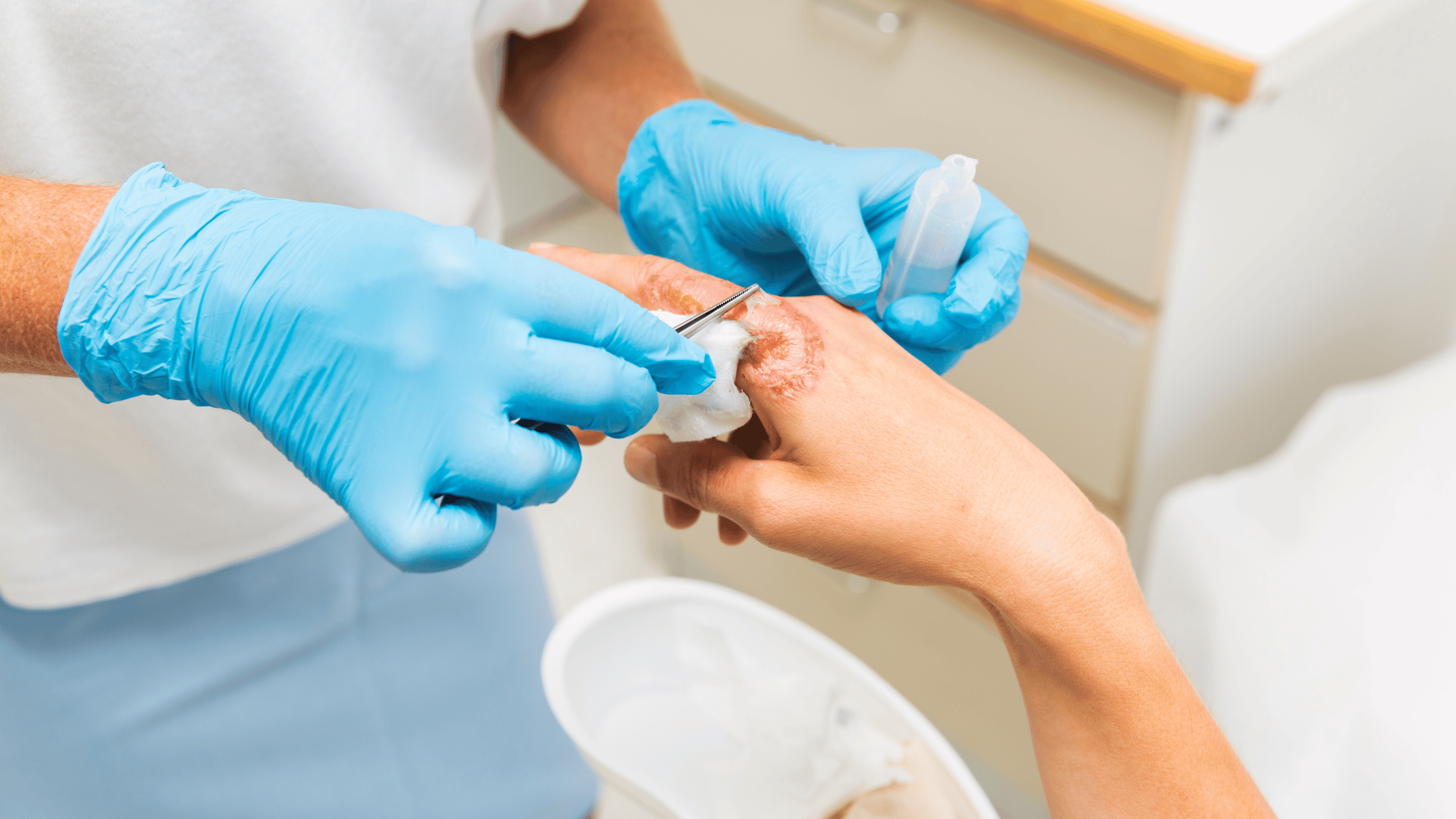
Our Mobile Wound Care Services Include:
- Comprehensive wound assessments.
- Advanced therapies and dressings applied in the comfort of your home or nursing facility.
- Coordination with primary care providers and other specialists.
What Does Wound Care Look Like?
1. Assessment and Diagnosis.
- A thorough examination of the wound to determine its type, size, depth, and stage.
- Evaluation of underlying health conditions that may impact healing, such as diabetes or circulation issues.
2. Cleaning and Debridement
- Gentle cleaning to remove debris and reduce bacteria.
- Debridement (removal of dead or infected tissue) to promote healing.
3. Advanced Dressings and Therapies
- Application of specialized dressings designed for wound healing, such as foam, hydrocolloid, or antimicrobial dressings.
- Use of advanced therapies like skin substitutes, negative pressure wound therapy (wound vac), or growth factor treatments.
4. Infection Management
- Monitoring for signs of infection and, if necessary, prescribing antibiotics or other medications.
5. Education and Prevention
- Guidance on proper wound care at home.
- Tips for preventing future wounds, including footwear advice and daily foot inspections.
6. Regular Follow-Up
- Continuous monitoring to track healing progress.
- Adjustments to the treatment plan as needed.
Types of Wounds We Treat
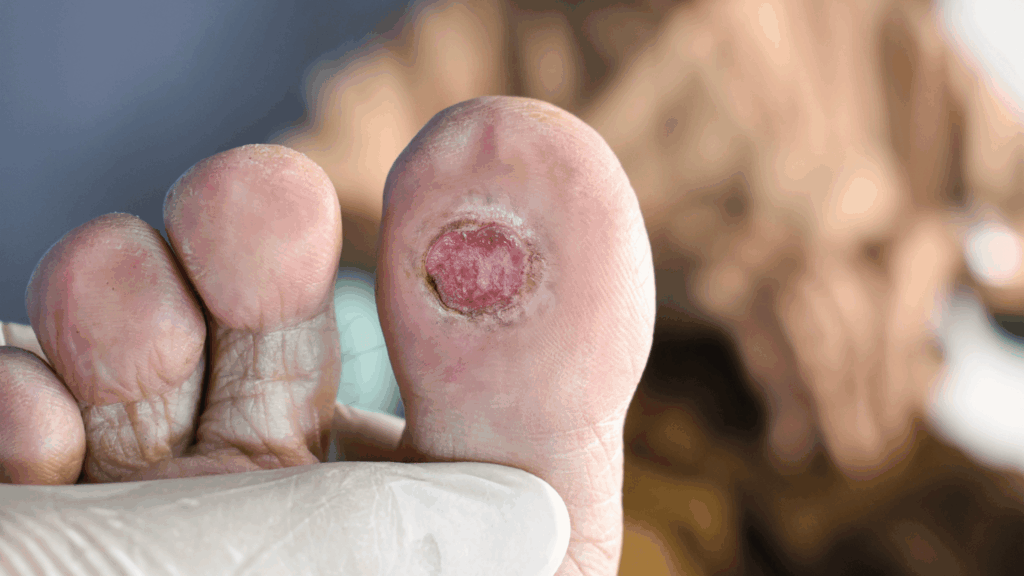
Diabetic Foot Ulcers
These are open sores or wounds commonly found on the bottom of the foot in patients with diabetes. If left untreated, they can lead to serious complications like infections or even amputations.
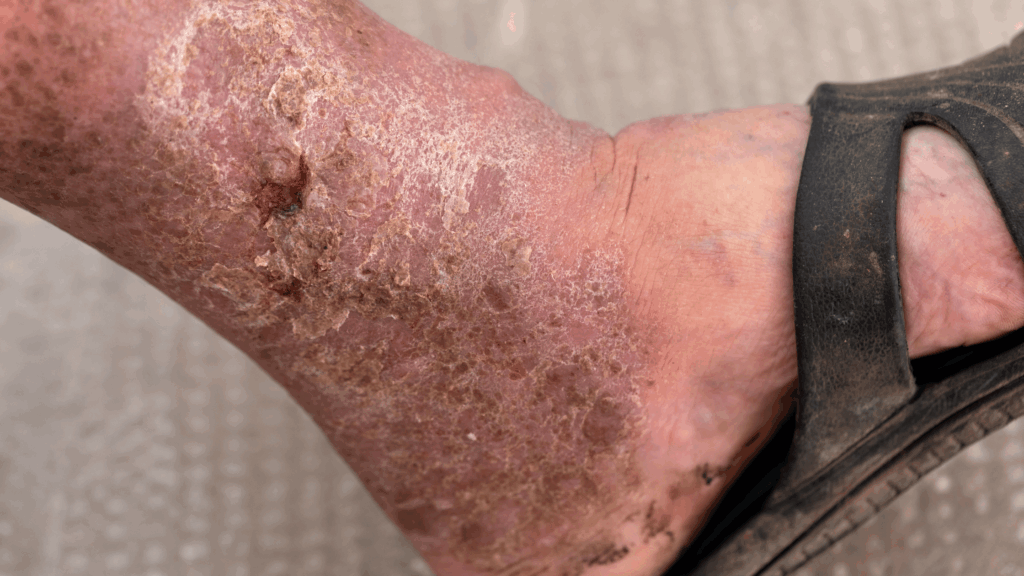
Venous Ulcers
Often found on the legs, these wounds are caused by poor blood flow and venous insufficiency. They can be slow to heal and are prone to infection.
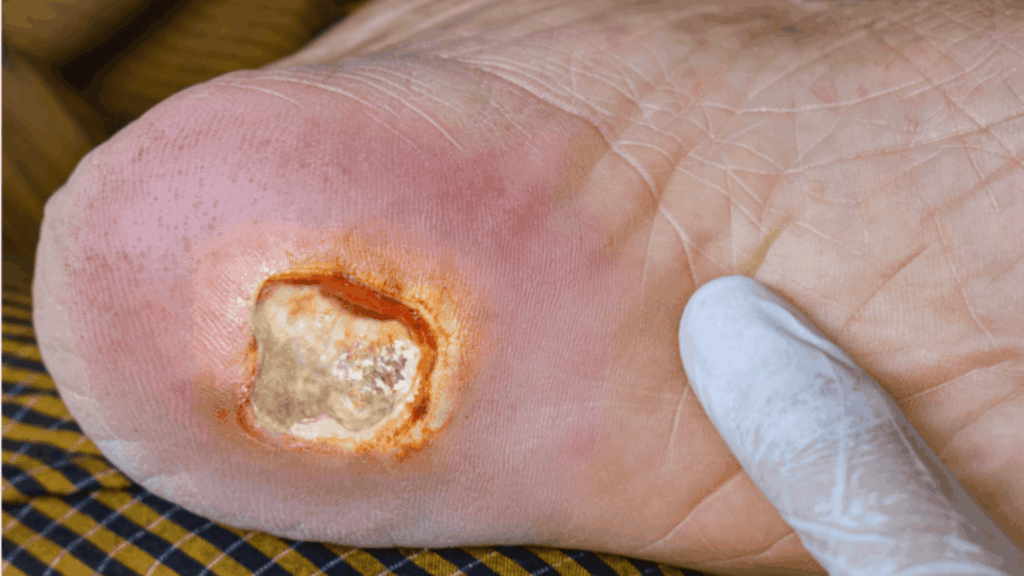
Arterial Ulcers
These occur due to reduced blood flow to the feet or legs, often caused by peripheral artery disease (PAD). They are typically painful and require specialized treatment.
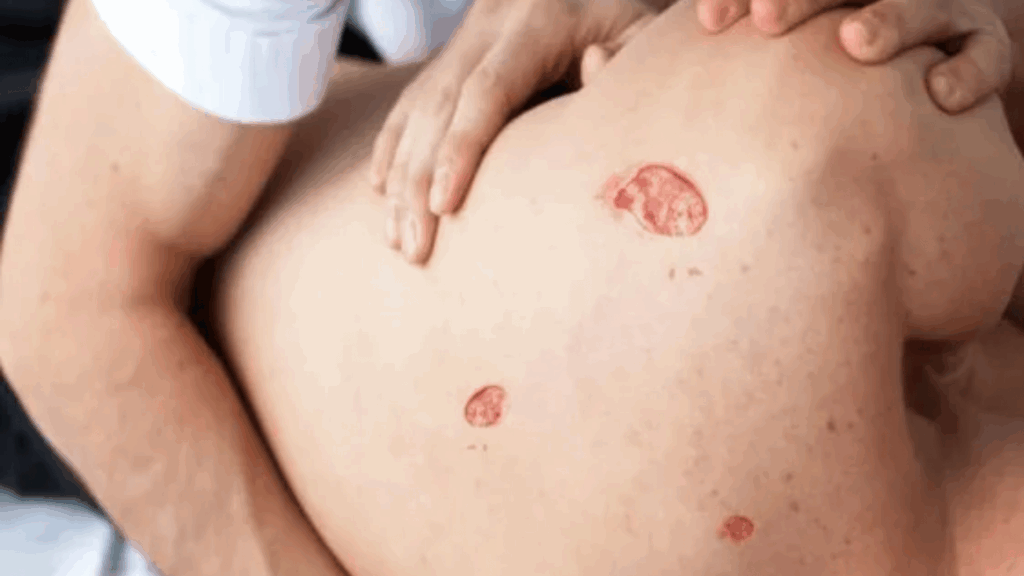
Pressure Ulcers (Bedsores)
These develop when prolonged pressure reduces blood flow to the skin, often in patients with limited mobility. Early intervention is key to prevent severe tissue damage.
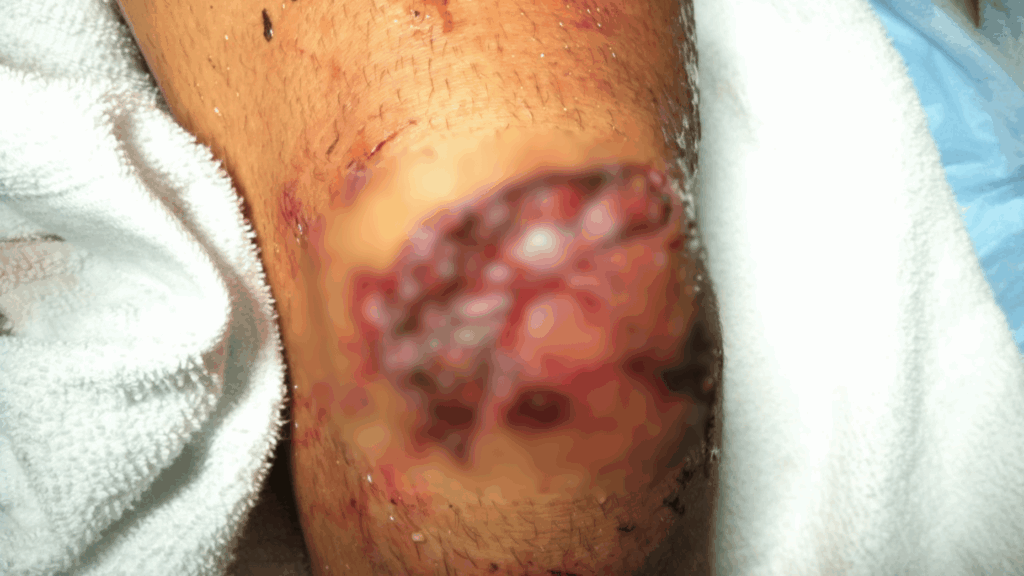
Traumatic Wounds
Cuts, abrasions, or injuries caused by accidents or surgery. These wounds may require cleaning, stitching, and close monitoring for infection.
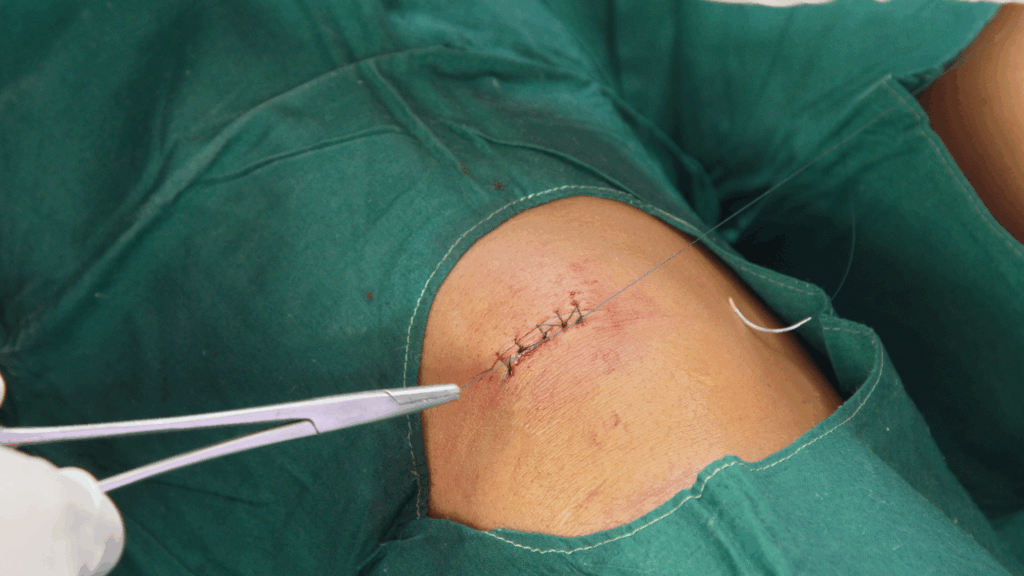
Surgical Wounds
Incisions made during surgery that require proper care to ensure healing without complications.
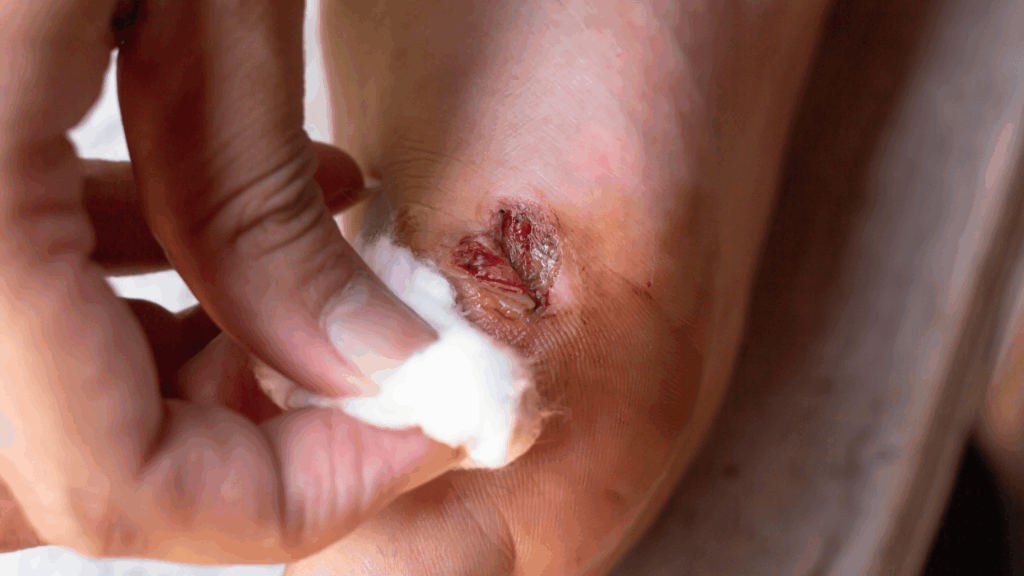
Infected Wounds
Wounds showing signs of infection, such as redness, swelling, pain, or pus. These require immediate attention to prevent the infection from spreading.